PRP hair before and after: real results, month by month
PRP (Platelet Rich Plasma) is the most sought-after treatment by those who want to stop hair loss before thinking about a transplant — and the most used support to accelerate regrowth after surgery. But what can you really expect, month by month? On this page you will find the real timeline of the results, the number of sessions necessary, the costs and the cases in which PRP works and those in which it is wasted time.
PRP hair before and after: the real timeline of the results
PRP is not a magic wand: it works by stimulating still active follicles, and the biological times of regrowth cannot be compressed. Here's what to expect:
| Period | What happens |
|---|---|
| After the 1st session | No visible changes. Possible mild redness of the scalp for 24-48 hours. |
| Month 1-2 (2-3 sessions) | Hair loss starts to slow down: less hair on the pillow and in the shower. First concrete sign. |
| Month 3 (end of cycle) | Existing hair appears stronger and thicker. Control photos show improvement in density. |
| Month 4-6 | Regrowth of miniaturized: 'fluff' hair thickens. Maximum result of the cycle. |
| Maintenance | 1 session every 4-6 months to maintain the results. Without maintenance, benefits decline in 12 months. |
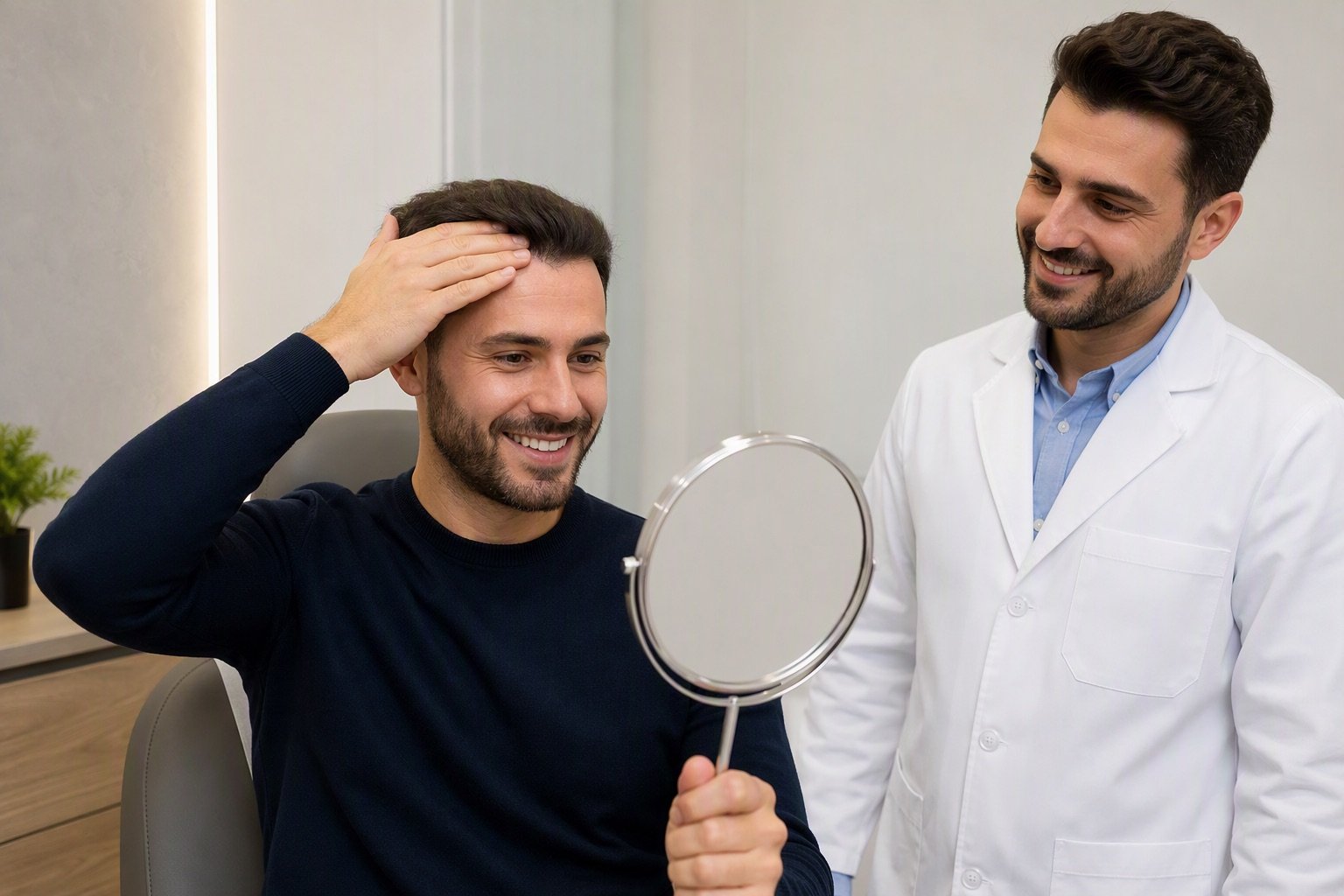
The most honest 'before and after' photos are those taken at 6 months with the same light and the same cut: be wary of comparisons with different conditions or a few weeks later.
How many sessions are needed and how much they cost
The standard protocol involves an initial cycle of 3-4 sessions 3-4 weeks apart, then maintenance. A single session has a limited effect: it is the complete cycle that produces the change.
Costs in Italy vary between 150 and 400 euros per session. In Tirana the session costs significantly less, and many patients combine the PRP cycle with the transplant operation in the same trip, or with subsequent checks.
PRP alone or as transplant support?
- PRP alone: indicated for initial or moderate thinning, with still active follicles. It stops hair loss and improves the quality of existing hair, but does not create new hair where follicles have died.
- Post-transplant PRP: accelerates healing, reduces shock loss and promotes graft engraftment. Many clinics include this in the months following surgery.
- PRP + future transplant: Those who are young with aggressive hair loss can use PRP to 'hold the position' until the situation stabilizes enough for the transplant.
For whom PRP works (and for whom it is useless)
It works well if:
- Thinning started less than 5 years ago: miniaturized follicles still respond.
- You are between 20 and 45 years old with early or intermediate stage androgenetic alopecia.
- The fall is in the active phase: the PRP does its best in blocking it.
- There is presence of 'fuzz': where fine hair exists, there are follicles to be stimulated.
Don't expect results if:
- The area has been completely hairless for years: dead follicles do not revive, a transplant is needed.
- The fall depends on untreated thyroid deficiencies or problems: the cause must be treated first.
- You are looking for a definitive alternative to transplantation in advanced cases: PRP does not replace grafts.
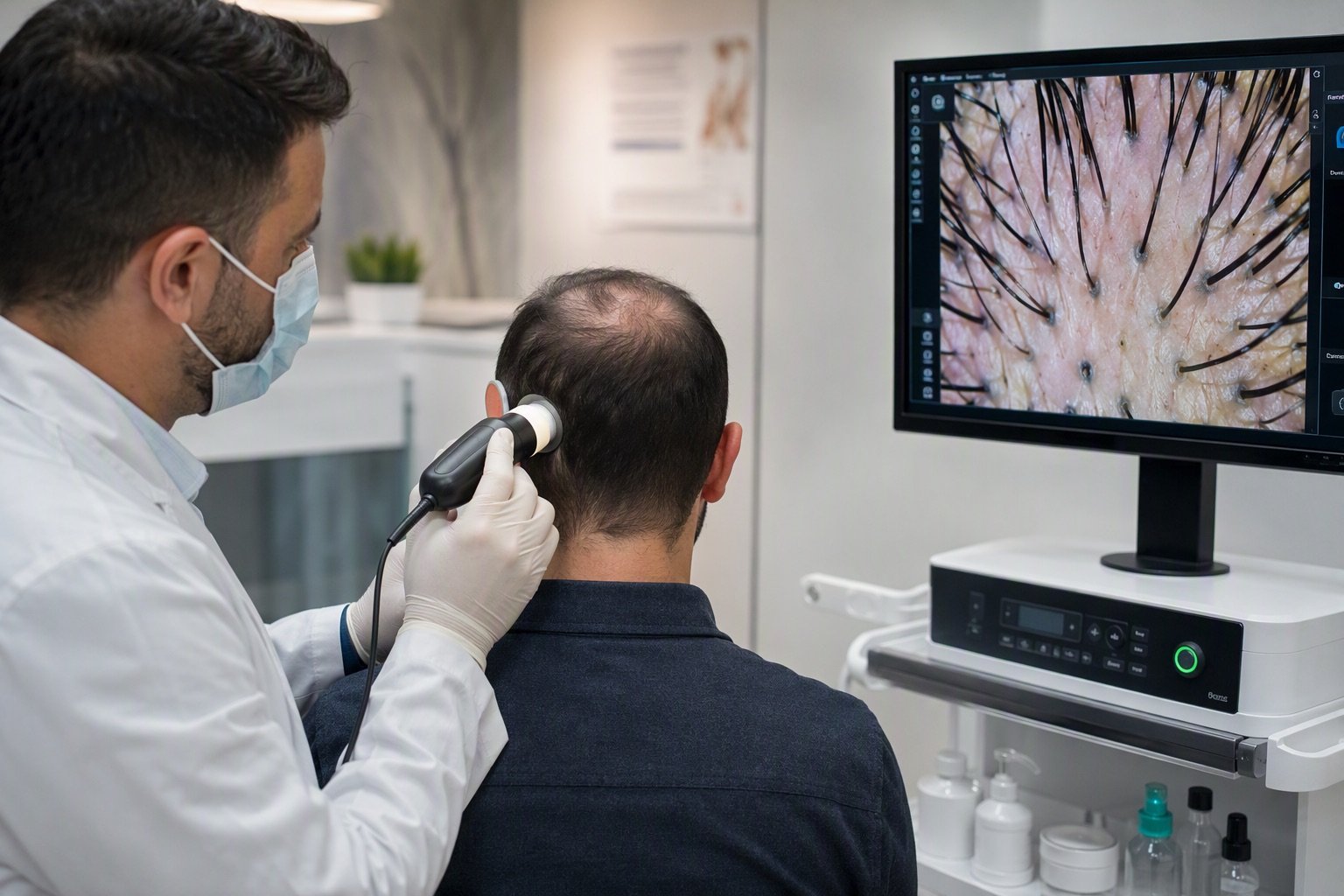
Not sure which category you fall into? Send 3 photos of your scalp: the medical evaluation is free and tells you honestly whether PRP is enough for you or if you need something else.
Free quote within 24 hours
Send 3 photos of your skin on WhatsApp or tell us your situation: the Italian team will respond within 24 hours with an evaluation and a written quote, item by item. Without obligation, without spam.
Written by
Tirana Hair Transplant Team
The Italian team that accompanies patients from the evaluation of the photos to the 12-month follow-up, in collaboration with the team of the specialized partner clinic in Tirana.